


AI

At the USC Viterbi School of Engineering, innovations in wearable electronics and AI have led to the development of ingestible sensors that not only detect stomach gasses but also provide real-time location tracking. Developed by the Khan Lab, these capsules are tailored to identify gasses associated with gastritis and gastric cancers. The research, to be [...]

Using an advanced artificial intelligence tool, researchers at the Icahn School of Medicine at Mount Sinai have identified rare coding variants in 17 genes that shed light on the molecular basis of coronary artery disease (CAD), the leading cause of morbidity and mortality worldwide. The discoveries, published in Nature Genetics, reveal genetic factors impacting heart [...]
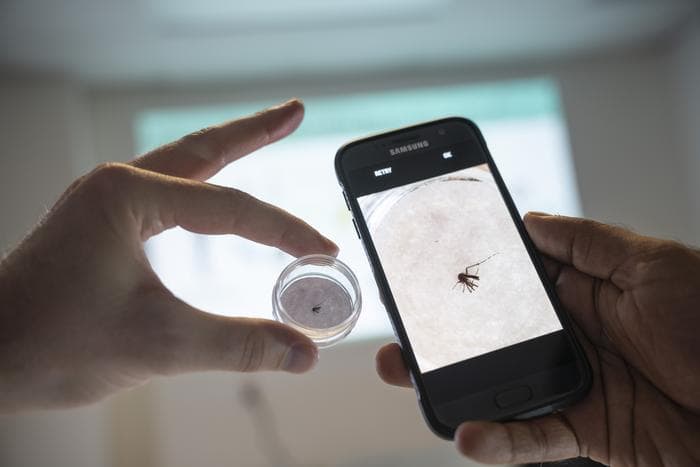
Researchers in the US are using artificial intelligence (AI) to revolutionise mosquito surveillance to help combat malaria in Africa. The interdisciplinary team of researchers will explore innovative solutions to target malaria-infected mosquitoes in real-time. The research is being led by University of South Florida researchers Ryan Carney, professor of integrative biology, and Sriram Chellappan, professor in the department [...]
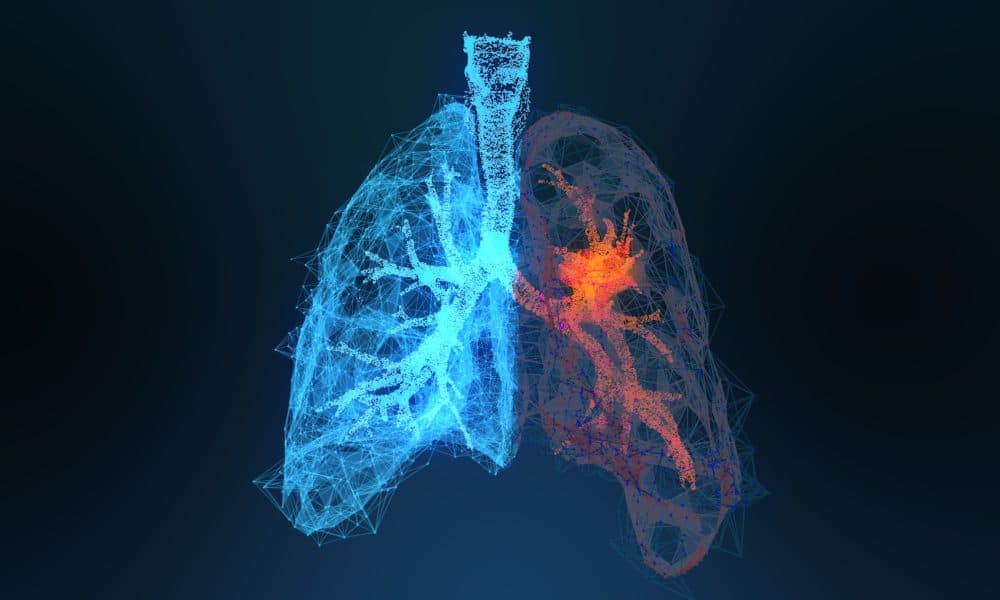
Clinithink AI technology, capable of reading and understanding medical records, has been used successfully by a research team at Barts Health NHS Trust to predict which patients might be at risk of lung cancer in a first-of-its-kind project funded by AstraZeneca. Data presented at the American Society of Clinical Oncology (ASCO) congress showcased how the technology [...]
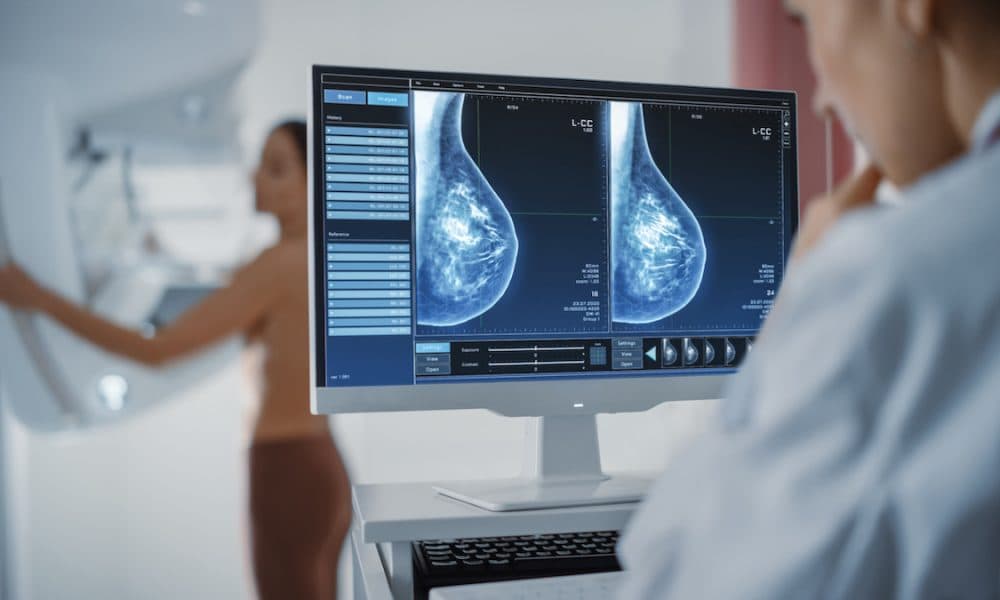
Using artificial intelligence (AI), breast radiologists in Denmark have improved breast cancer screening performance and reduced the rate of false-positive findings. Mammography successfully reduces breast cancer mortality, but also carries the risk of false-positive findings. In recent years, researchers have studied the use of AI systems in screening. Results of this new study were published [...]

Researchers have developed an AI system to identify epilepsy by analysing brain interactions, improving diagnosis of rare and complex cases. More than 3.4 million people in the US and 65 million people worldwide have epilepsy, a neurological disorder that affects the nervous system and causes seizures. One in 26 people will develop epilepsy at some [...]

A new study shows that a fully digital, artificial intelligence (AI)–driven lifestyle coaching program can effectively reduce blood pressure (BP) in adults with hypertension. This AI-based program leverages data from wearable activity trackers and BP monitors as well as a mobile app questionnaire to tailor lifestyle guidance. The research team, led by Jared Leitner of the University [...]

A recent study has introduced a novel method combining nano informatics and machine learning to precisely predict cancer cell behaviours, which researchers say could transform cancer diagnosis and treatment. In an important advance in the fight against cancer, a research team from The Hebrew University has developed a new method to predict the behaviour of [...]

A new collaboration between The Bardo Foundation, Iris.ai and the European Innovation Council (EIC), is set to harness artificial intelligence to accelerate much-needed discoveries for rare childhood cancers. The Bardo Foundation is an non-profit organisation dedicated to advancing research and treatments for Osteosarcoma, a rare but highly aggressive bone cancer affecting children and young adults. [...]

Artificial intelligence (AI) computer programs that process MRI results show differences in how the brains of men and women are organised at a cellular level, a new study highlights. These variations were spotted in white matter, tissue primarily located in the human brain’s innermost layer, which fosters communication between regions. Men and women are known [...]