
News by region

Health Tech World explores the latest business and pharmaceutical developments in the world of health technology. AI platform to accelerate medical and epidemiological research Health technology company Briya has announced the launch of Briya AIRE, the world's first clinical-grade AI research assistant built to accelerate biomedical and clinical decision making. Designed to "think" in the [...]

Neurovalens, a Belfast-based neurotech company, has raised £6m (€6.95m) to support its commercial expansion in the US and other global markets. The funds will be used to boost sales of its current medical devices and pursue additional approvals from US regulators. Its technology delivers mild electrical stimulation to targeted parts of the brain and nervous [...]

McDermott Will & Schulte advised funds managed by Oaktree Capital Management, L.P. (“Oaktree”) in connection with a new four-year term loan facility of up to $125 million provided to OXB (LSE: OXB), a leading cell and gene therapy contract development and manufacturing organization (CDMO). The facility includes $60 million in initial funding, the majority of [...]
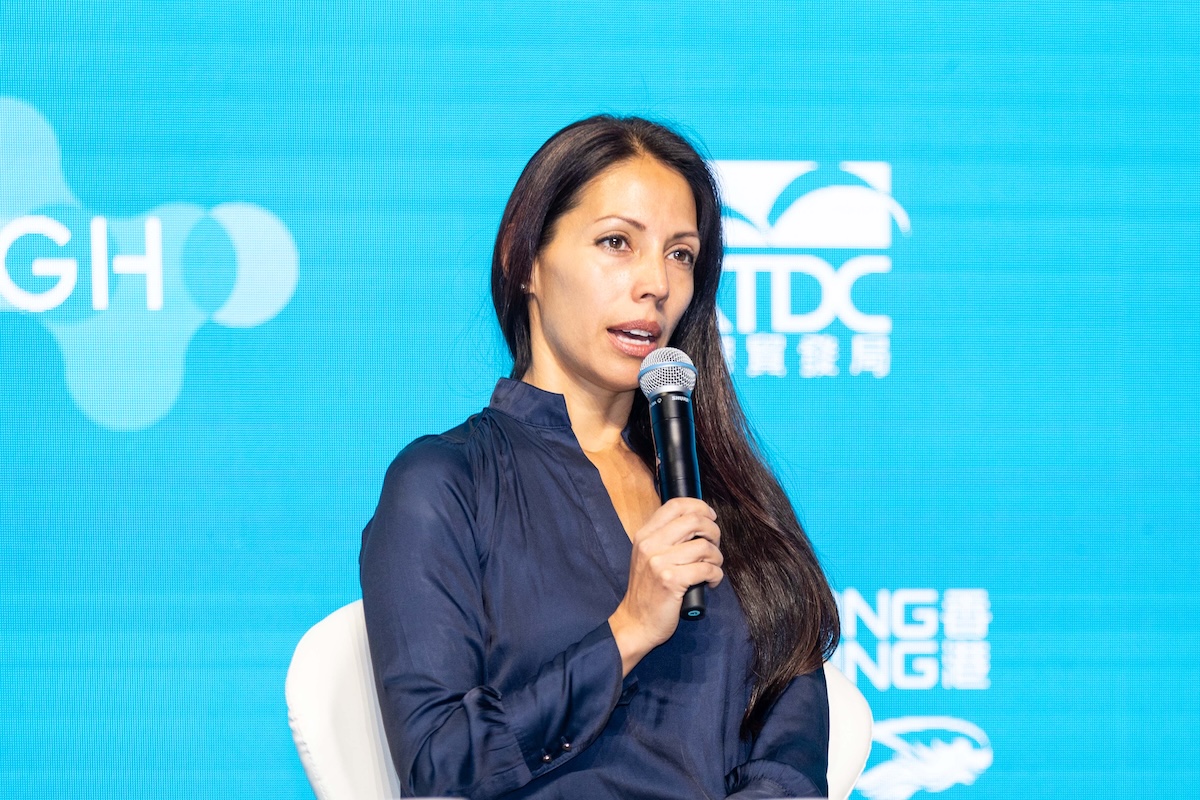
Venture capital firm Apollo Health Ventures is funding and co-founding early-stage companies that are transforming age-related diseases and ageing. Health Tech World speaks to co-founder Dr Alexandra Bause to find out more. Founded in 2017, Apollo Health Ventures has, to date, invested in 15 companies that are innovating in the longevity space. From DNA damage [...]

By Ruby Kuzemko, Healthcare Lead at Cloud Gateway Patient care is dependent on secure and reliable connectivity, which means healthcare networks must be both adaptable and robust. As a result, a shift is underway, and healthcare organisations are moving away from rigid legacy infrastructure toward more flexible, platform-neutral architectures. As healthcare systems expand and patient [...]

One hundred NHS diagnostic centres in England now provide MRI scans, endoscopies and other tests in the evenings and weekends, the government has said. Thirty-seven more community diagnostic centres (CDCs) now run 12 hours a day, seven days a week compared with July 2024, taking the total with extended hours to 100. The 170 CDCs [...]

iCarbonX is applying deep learning to gain greater insights into personal health and is advancing AI-driven drug development. Health Tech World speaks to founder and CEO Dr Wang Jun to find out more. The last decade has seen major advancements in artificial intelligence, genomics, and data analytics, and iCarbonX is harnessing these technologies to advance [...]

Software company 3Billion is innovating genetic testing for rare diseases with AI. Health Tech World speaks to CEO Changwon Keum to find out more. Founded in 2016 as exome and whole genome-based genetic testing services were emerging, 3Billion is harnessing AI to innovate genome interpretation. The company's AI-powered genetic testing diagnoses rare diseases more accurately [...]

Preterm birth affects one in 10 babies globally, but a first-of-its-kind handheld diagnostic device hopes to transform these outcomes by predicting the risk ahead of time. Health Tech World speaks to Dr Shaolin Liang of Every Baby to find out more. Every hour, 125 babies die from preterm birth complications. This figure reveals a desperate [...]

An off-the-shelf cancer vaccine has shown potential in lowering the risk of pancreatic and colorectal cancer returning after surgery. The jab works by training the immune system to target and destroy cancer cells that may return after treatment, aiming to reduce relapse. Unlike personalised mRNA vaccines tailored to individual tumours, this non-personalised vaccine is already [...]