

By Michelle Freer, transformation manager of the Nottingham City Place-Based Partnership
A central theme of the NHS 10 Year Plan is the long-overdue recognition that prevention should ultimately outweigh cure in delivering the strategy.
For the city of Nottingham, it signals a decisive shift towards seamless, neighbourhood-based healthcare, where support is provided closer to people’s lives rather than solely within traditional clinical settings.
At the Nottingham City Place-Based Partnership, we’ve been building teams among stakeholders since 2024 – from the hospital, from primary care, from pharmacies, from the university, and from different charities and local organisations – to take ownership of prevention and really put it on the map for the city.
Together, we are working to change the old model and take preventive care into the heart of our communities, developing new neighbourhood systems with an initial focus on adults living with multiple long-term conditions.
My personal focus is to enable that change, make sure that we are protecting our population, and address the causes of health inequalities at local level – some of the essential themes explored in SISU’s webinar Making Neighbourhood Health Work in Everyday Life.
Understanding our public
Much of our work centres on information and education – and for that, we need to understand our populations.
If they’re not going into the GP practice or to see a health professional, where do they go for stroke care?
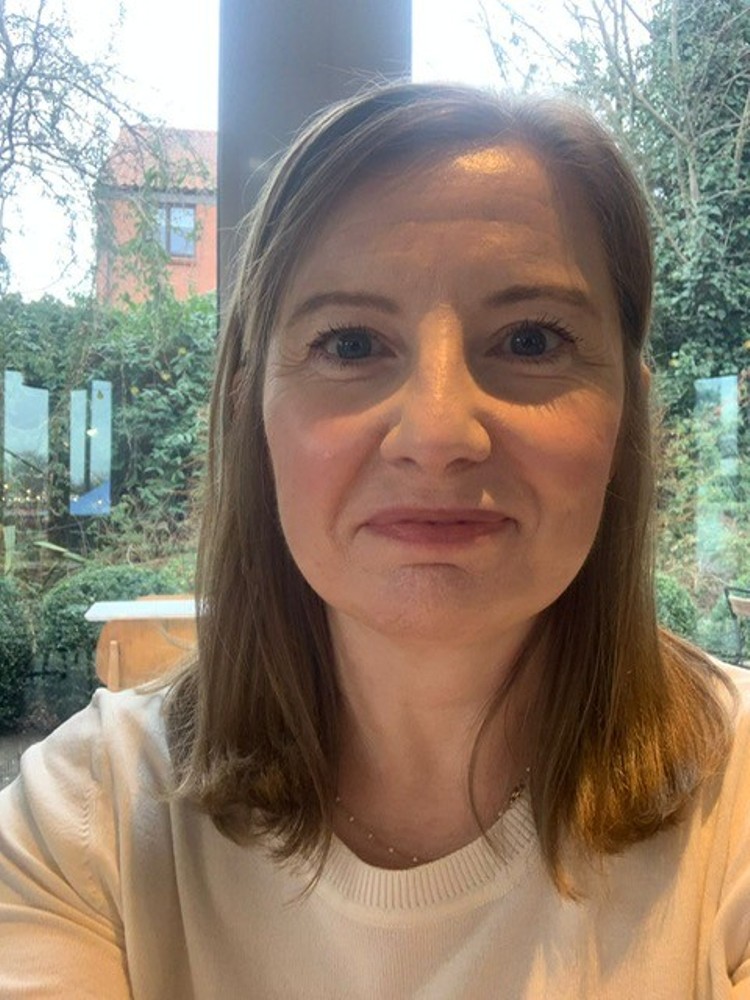
Michelle Freer
Where do they talk? How do they talk to each other? And how can we ensure that there is shared messaging within those populations and neighbourhoods that ensures they are getting the care they need and the right advice in the right place at the right time?
To find some answers, as one example, we’ve worked with the city’s majority black-led churches, Windrush Commissioner Clive Foster, Nottingham Trent University, the Stroke Association and a group of people from the African and African-Caribbean community in Nottingham to understand the barriers to health care services access, and their impact on the health of their community.
This granular research is helping us to build successful public health campaigns that target specific communities and demographic audiences, including Blood Pressure UK’s Know Your Numbers week, which will happen again this September.
Spotlight on blood pressure
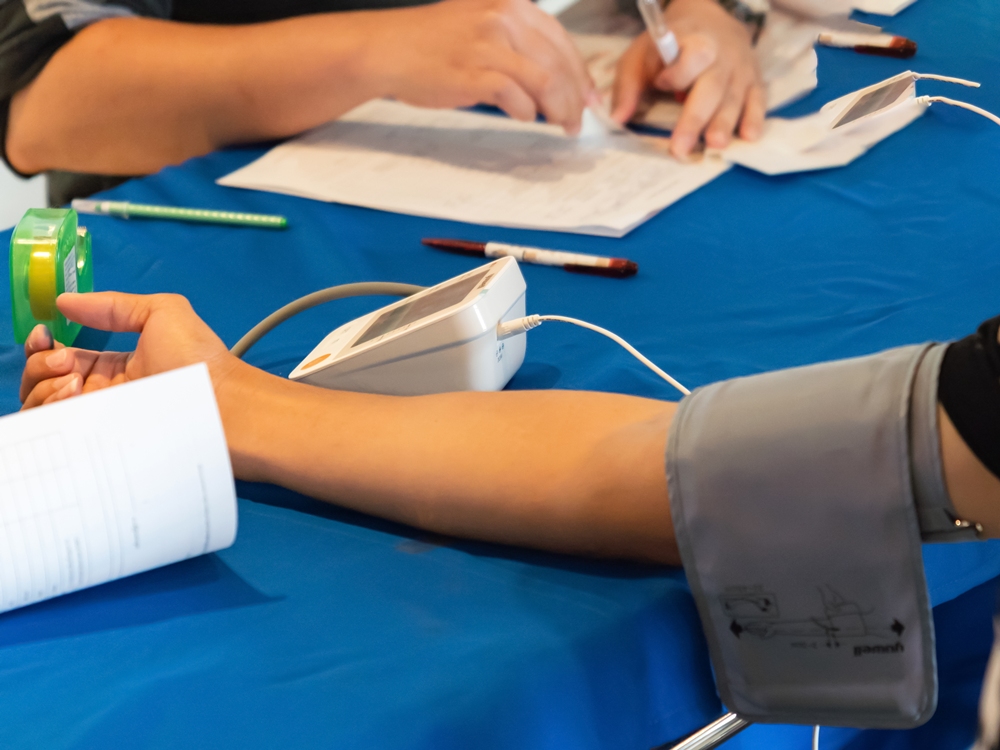
When we looked at NHIS data from 2023, we could see that as a city, we were case finding hypertension through blood pressure checking – but were less successful than other areas.
With the aim of improving this, our campaign involved over 100 health and non-health organisations across Nottingham, and included the creation of two educational videos, which were shared on screens in libraries, GP practises, pharmacies, leisure centres and on social media – where we attracted 13,458 views.
Digital innovation is clearly a massive driver of our move into neighbourhood health, but we’re also looking at the bigger picture.
For example, ICBs are facing a 52 per cent reduction of staff as they move more towards a strategic commissioning approach.
If we don’t have the people operationally to support prevention, we need to think about how we can still drive it forward, increase the opportunity of blood pressure checks and the capacity for people to have them.
Initially, we set up two SISU Health Stations: the first in one of our most deprived communities, Stapleford, and the second in Boots at the city’s Victoria Centre.
These free-to-use machines measure blood pressure, heart rate and body composition, and can help to identify alcohol-related and physical activity risks, as well as calculating heart age.
Instant feedback is personalised, including advice to seek a follow-up check if appropriate.
The benefit of Boots as a location is that people can ask the in-store pharmacist health and wellbeing questions and potentially be referred to their GP or other services for things like weight management or smoking cessation.
Since it was installed last December, the SISU Health Station has carried out 1.701 mini health checks – and we know it’s boosted sales of home blood pressure monitors in the store.
Scoring a home goal for public health
The success of this programme has paved the way for our latest initiative with Nottingham Forest Community Trust, where we’ll have two health stations in the fan zone before the club’s Premier League match on 15th March and the presence of a pharmacist and a GP clinical director.
While women and families also go to football matches, these are events that most men tend to attend together and in groups – and that creates another opportunity to raise awareness of the importance of blood pressure checking among a specific demographic.
With these health stations, we’ve got a really good product that actually does make a difference. It benefits the people of Nottingham, and feeds into the bigger picture with organisations in the city that really want to partner and collaborate with us.
It helps to give us a good balance for the future around the 10 Year Plan, and our ambitions for delivering digitally-enabled neighbourhood healthcare and prevention.
To hear more about Nottingham’s healthcare transformation, join Michelle and a panel of other experts on March 18th for a SISU-led webinar – Making Neighbourhood Health Work in Everyday Life – exploring how prevention can shift from policy to everyday infrastructure, and be embedded in neighbourhoods, workplaces and public spaces to deliver earlier intervention, better outcomes and a more sustainable system.