

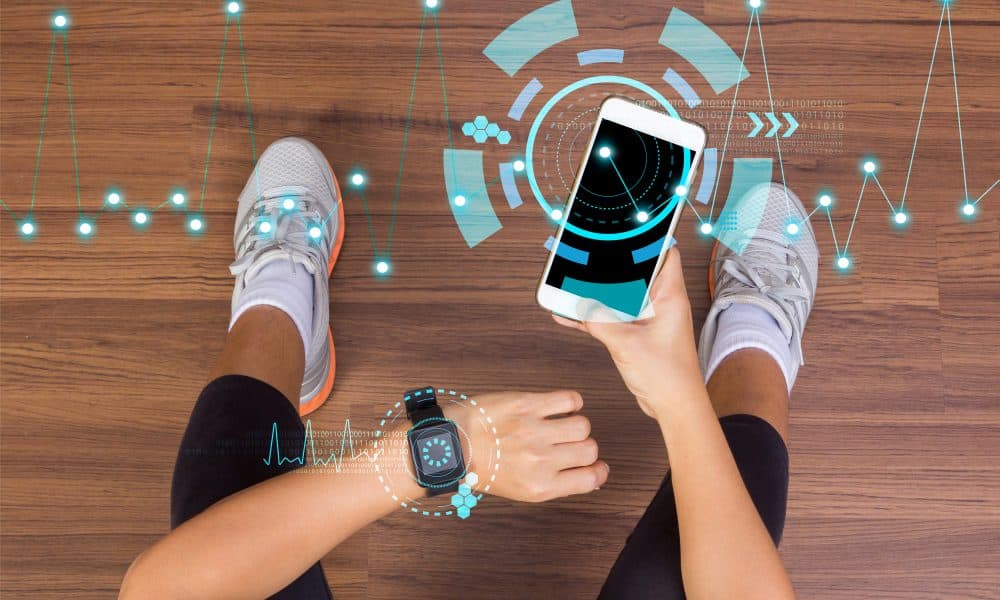
Users of technology-based health devices want more monitoring services for heart health, blood pressure, vitamin/mineral deficiencies and hydration, research has revealed.
One-third of Americans say they are interested in technology that can predict their life expectancy, with millennials (46 per cent) and males (41 per cent) most interested.
TrendSpot: Digital Health and Wellness, an ongoing research program focusing on digital health and wellness trends developed by Reach3 Insights, shows that Americans currently spend a monthly average of $46 on health apps and services. And an annual average of $526 on health devices.
Matt Kleinschmit, CEO and Founder of Reach3 Insights said: “More and more Americans are looking to apps and devices for health data, wellness tracking, and other personal insights.
“Now is the time for companies and industries interested in playing a role in the future of health to deeply understand the attitudes and behaviours that are driving these trends so that they can be well-positioned to capitalize on the rapidly expanding digital health market.”
About half of those surveyed currently utilise health tech devices, especially wearables, with fitness-oriented wearables the most popular (30 per cent), followed by smart home health devices (18 per cent), holistic wearables (14 per cent), and smart scales (14 per cent).
The research found that there is still, however, an untapped demand for monitoring services for heart health with 87 per cent of respondents saying they would be interested in such technology, blood pressure (83 per cent), vitamin/mineral deficiencies (83 per cent) and hydration (82 per cent).
As interest in health and wellness devices continues to grow, so does the usage of fitness-oriented health and wellness apps with 40 per cent of Americans currently having at least one or more apps in this category installed on their phone.
A variety of other fitness and nutrition-related apps also are popular, with 21% of respondents stating they have a nutrition/weight control app currently on their mobile device, and 16 per cent saying they have a sleep monitoring app installed.
Higher-income, younger, urban individuals and parents are more engaged with health apps and devices, with adoption rates over 50 per cent.
Mental and brain health apps are poised for the most growth as Gen Z in particular is showing strong interest in this category. A quarter of Gen Z and Millennials use mental health apps, with 86 per cent of Gen Z surveyed saying they would like technology to help them monitor their mental health/mood.
Kleinschmit said: “As younger generations are leading the charge on the importance of people prioritizing their mental health, it is no surprise that an app that helps monitor one’s mental wellbeing has gained the interest of Gen Z.
“Over the past couple of years (and especially during the pandemic), we have seen this continued shift demonstrated by consumers’ desire to track every aspect of their fitness and wellbeing journeys in a safe and secure way, and mental health tracking is now also poised for growth.”
Generationally, mental health has the largest gap in interest and usage, with younger generations more likely to currently have mental health apps on their phones (Gen Z – 26 per cent; Millennials – 22 per cent) than older generations (Gen X – 8 per cent; Boomers – 1 per cent).
Overall, 36 per cent of all respondents said they would use mental health tracking apps in the future, with Gen Z having the most significant interest (61 per cent).
Fertility apps, on the other hand, likely won’t benefit from the types of growth other health apps are poised for, at least for now, even among younger people who overwhelmingly said they were not interested in using this type of app in the future (Gen Z – 61 per cent responded not interested, Millennials – 53 per cent).
Other unpopular areas where respondents showed the least amount of interest in future usage include predisposition for diseases (60 per cent), VO2 levels (59 per cent), relationship compatibility (42 per cent), and fertility (35 per cent).