

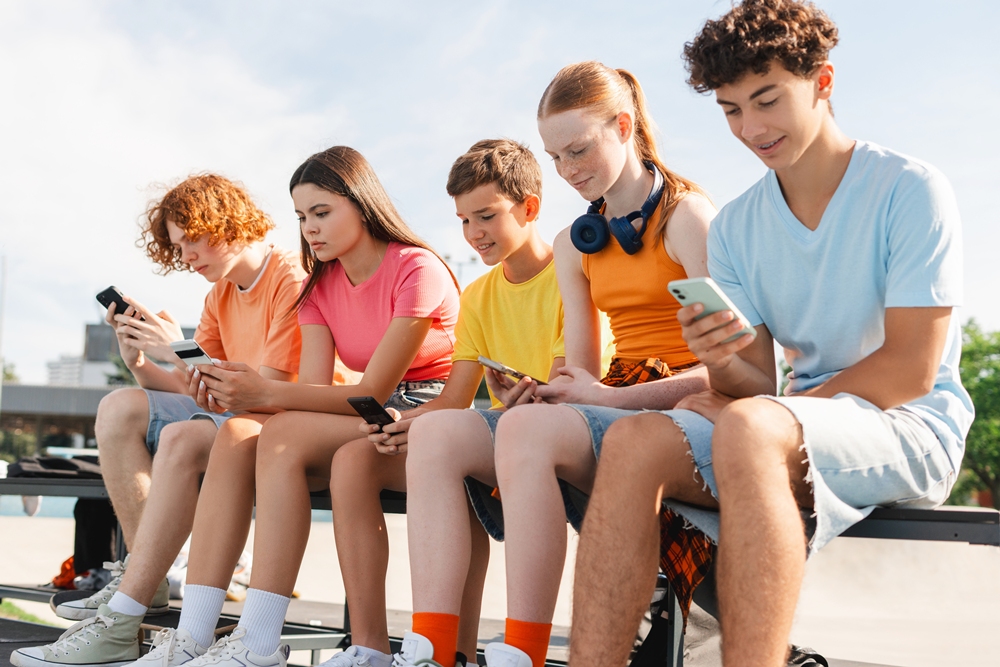
A study found nearly one in five young people use health chatbots for mental health advice.
Experts have raised concerns that some adolescents and young adults may turn to AI tools during mental health crises, which the technology is not designed to handle.
The findings represent an increase from early 2025, when about 13 per cent of respondents said they used chatbots for advice when they were sad, angry, nervous or stressed.

The latest survey found the figure had risen to 19 per cent by November.
Ryan McBain, senior policy researcher at RAND and lead author of the study, said: “It’s a sad number, because you’d hope that young people would have the sorts of supportive relationships that they would feel comfortable and empowered reaching out to those around them.”
Researchers asked people aged 12 to 21 whether they had used services such as ChatGPT, Google Gemini or Character.AI for mental health advice.
The questions did not distinguish between chatbots designed specifically for therapy and those with broader uses.
The vast majority of respondents who had used chatbots for mental health advice said they found the guidance helpful.
Around 63 per cent said they had not told anyone about using artificial intelligence for therapy.
Researchers said the share of young people using AI chatbots for mental health advice is close to the proportion of adolescents who report receiving mental health therapy from a professional.
Some young people may use both, but the researchers said they suspect many are using AI chatbots as fill-ins because of a shortage of licensed mental health professionals or a lack of access to one.
Others may use AI in these situations because they are already accustomed to using it for other purposes.
Mental health therapy is support provided by a trained professional to help people manage emotional distress, mental illness or difficult life circumstances.
Outside experts have warned about young people turning to chatbots during mental health crises, which AI is not designed to help navigate.
OpenAI, the maker of ChatGPT, has previously said that in a given week, around 1.2m users indicate they may be considering suicide.
McBain said the findings suggest more regulation is needed to make sure young people use chatbots appropriately.
“Right now, AI chatbots are essentially self-regulated. There are basically zero safety or quality standards that are required by federal law.”
He added that AI could still have positive uses in mental health, including helping people find tools for meditation or sleep.
Some studies have shown that, in the short term, chatbots designed specifically to offer cognitive behavioural therapy can help with symptoms such as anxiety or depression.
Cognitive behavioural therapy, often called CBT, is a talking therapy that helps people identify unhelpful thinking patterns and change their behaviour in response.
Some people who use AI chatbots for mental health support have shared their experiences in online communities, including Reddit’s r/TherapyGPT, which has around 28,000 weekly visitors.
Users trade tips on how to confide in chatbots, and some have described the tools as a “lifeline”.
One user said they uploaded their journal to ChatGPT and claimed it helped them get sober.
Another user wrote: “It gave me better advice than any of my real therapists did. It told me what I needed to hear, and not what I wanted to hear.
“Most of its answers really made me think hard about my life and I was even tearing up a little bit. Felt like I had a breakthrough.
“Maybe because I was just so starved for a genuine human connection with somebody and couldn’t find it.”
However, others in the online forum have warned that chatbots can be overly validating.
The study also highlights the risk that AI tools may reinforce a user’s feelings rather than challenge unsafe or unhelpful thinking.