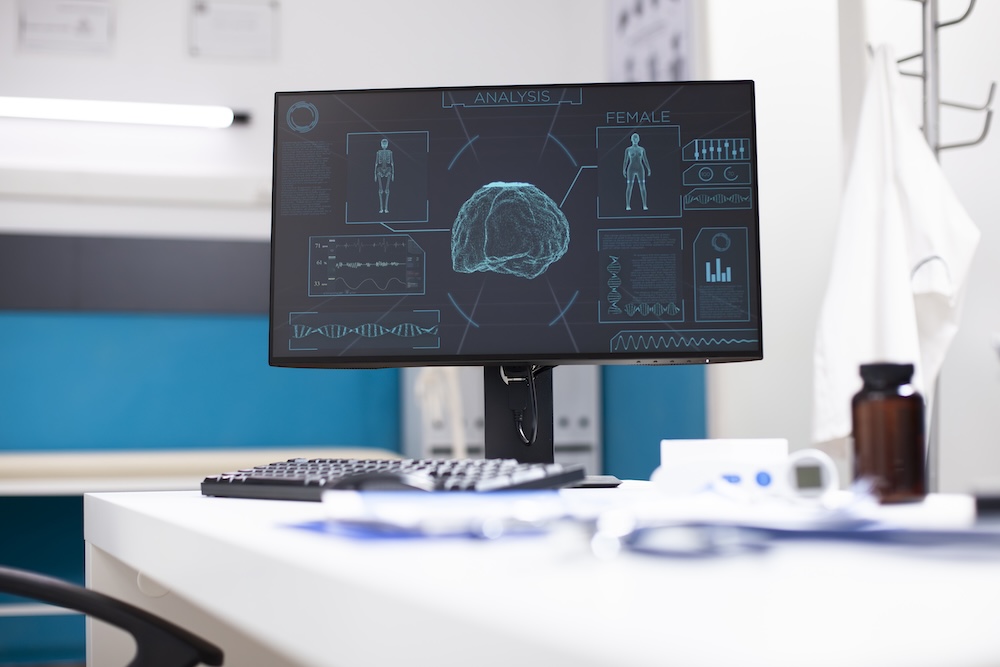




An AI tool to tackle diarrhoeal disease in children under five in sub-Saharan Africa is being developed with €4.8m in EU funding.
The CARE-AFRICA project aims to create a tool that can predict the most likely pathogen responsible for a child’s diarrhoeal disease and provide guidance on the most effective treatment options based on that prediction.
Diarrhoea is a leading cause of death in children worldwide, with some of the highest death rates in children under five seen in sub-Saharan Africa. Diarrhoeal diseases can be difficult to manage because they are caused by a range of bacteria, viruses and parasites, making it harder to identify the pathogen responsible and deliver the most appropriate treatment.
The project is led by King’s College London and brings together six partners from the UK, Italy, Spain, South Africa, Uganda and Ethiopia, combining expertise in AI, data science, infectious diseases, public health and health information systems. It is supported by the Global Health EDCTP3 and its members.
The tool will be designed to run on a tablet device, with results generated in five minutes.
To develop it, the team will train an AI model on a range of data, including clinical data from children in Ethiopia and Uganda infected with pathogens that cause diarrhoea, such as Shigella, Vibrio cholerae, Escherichia coli and norovirus. It will also integrate environmental, climate, socioeconomic and demographic data linked to infections with these pathogens.
When a patient’s clinical data is entered about a current infection, the tool aims to provide probabilities for the most likely pathogens causing the infection, as well as information on antibiotic resistance and recommendations for treatments.
If successful, the team hopes the AI tool will help to combat antimicrobial resistance, a major global health concern, by preventing the mis-prescribing of antibiotics.
The team will evaluate the effectiveness of the AI tool in helping to diagnose and treat diarrhoeal diseases in children compared with standard practices. It will first be tested in a pilot study in eight healthcare facilities in Ethiopia and Uganda. Based on the results, it will be revised and improved before being tested in a larger-scale clinical trial across 40 facilities with up to 4,700 children.
Tania Dottorini, professor of AI in science at King’s and project lead, said: “Ultimately, we want to be able to equip a frontline healthcare worker with a digital tool with the power to predict the most likely pathogen causing a child’s diarrhoeal infection based on their symptoms. Is it a bacterium or a virus? If it’s a bacterium, what antibiotics are known to be effective against it, and which ones should be avoided?”
She added: “This project is truly going beyond what we do now. We’re going to move AI and digital technologies beyond the laboratory to understand how they can be harnessed in low- and middle-income countries to tackle real-world problems.”
Dottorini said: “Living in Africa as a child, I saw the impact these diseases could have. As a mother, to see your child suffering is terrible. I want to make a difference for children, mothers and families in places where there is limited access to doctors and healthcare, and I think this project offers us the chance to do that.”
If successful, the new tool could help to speed up diagnoses, ensure children receive the treatments they need and relieve pressures on healthcare systems in places where resources are limited.
The project partners include King’s College London, Makerere University in Uganda, the Addis Ababa City Administration Health Bureau in Ethiopia, Jembi Health Systems in South Africa, the University of Perugia in Italy and Causal Foundry Inc. in Spain.