


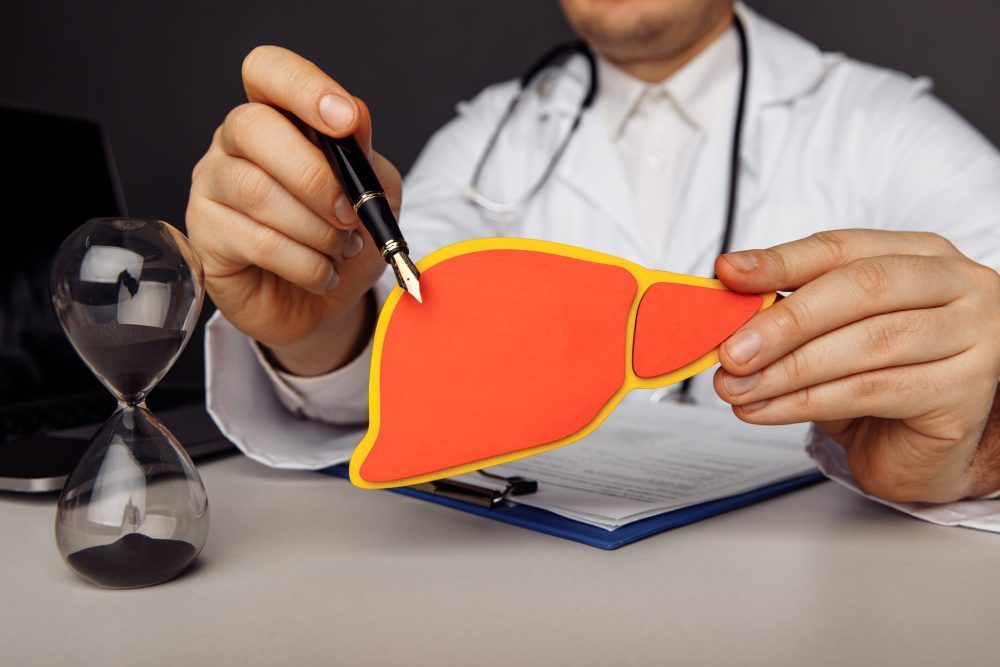
Earlier liver disease detection means better outcomes – and you can make the difference
By Dr Tim Jobson, medical director, Predictive Health Intelligence
“Intervention timing is everything. Case-finding enables this”
Chronic liver disease is often diagnosed only after emergency presentation, when treatment options are limited and damage is irreversible. Because the disease is silent and carries stigma, patients are less likely to seek medical advice.
At the same time, primary care teams face competing priorities, so liver disease is not consistently addressed.
The result is late diagnosis, poorer outcomes, and increased burden on A&E.
Liver clinics are under growing strain. As late presentations rise, they must focus care on those most at risk, as early as possible.
Gastroenterologists and hepatologists repeatedly see patients too late to make an impact.
Intervention timing is everything in liver care, and clinicians are acutely aware of the consequences of late diagnosis.
The numbers are staggering.
Emergency admissions for chronic liver disease continue to increase.
In England, over a third of patients diagnosed via emergency admission die within a year.
Late diagnosis leads to serious outcomes such as cirrhosis, cancer, variceal bleeding, and decompensation. Treatments are improving at halting and even reversing progression, but early diagnosis remains critical.
Liver disease is the only major cause of death in the UK where mortality is still rising.
Estimates suggest that nearly 80 per cent of people with MASH remain undiagnosed, highlighting a major diagnostic gap³.
A new approach: technology-enabled case-finding
Outcomes depend on timely referrals.
To address this, clinicians have developed hepatoSIGHT, a technology-enabled case-finding tool recently rolled out across a population of 6 million people in the South West.
The system has the potential to identify thousands of at-risk patients earlier than they otherwise would have been.
The data to identify hidden patients already exists, but searching large databases is complex, resource-intensive, and often not feasible. hepatoSIGHT provides a powerful yet simple solution.
By applying defined filters to existing lab data, clinicians can generate targeted lists of potentially high-risk patients, streamlining care pathways.
Developed by clinicians and backed by science, this approach has shown utility across multiple liver disease etiologies, including underdiagnosed conditions such as haemochromatosis, PBC, and hepatitis D.
Further research demonstrates how time-trend analysis of routine blood test results can help identify patients at risk of advanced liver disease.
The impact of case-finding
Early identification benefits both patients and the healthcare system.
By intervening before irreversible damage occurs, care teams can halt or even reverse disease progression, expand treatment options, and improve outcomes.
Case-finding also streamlines referrals into liver clinics.
It enables clinicians to prioritise high-risk patients and triage them efficiently, while multidisciplinary teams deliver proactive care.
Ultimately, this reduces avoidable emergency admissions and complications, easing the burden on A&E and ensuring care is delivered in the most appropriate setting at the earliest possible stage.
Case-finding has the potential to transform liver disease care and deliver a step-change in public health.
About the author
Dr Jobson is a Consultant Gastroenterologist and Fellow of the Royal College of Physicians. He is an alumnus of Oxford and Cambridge Universities with a PhD from the University of Nottingham.
Declaration of interest
Dr Tim Jobson is Medical Director of Predictive Health Intelligence, the creator of hepatoSIGHT.