


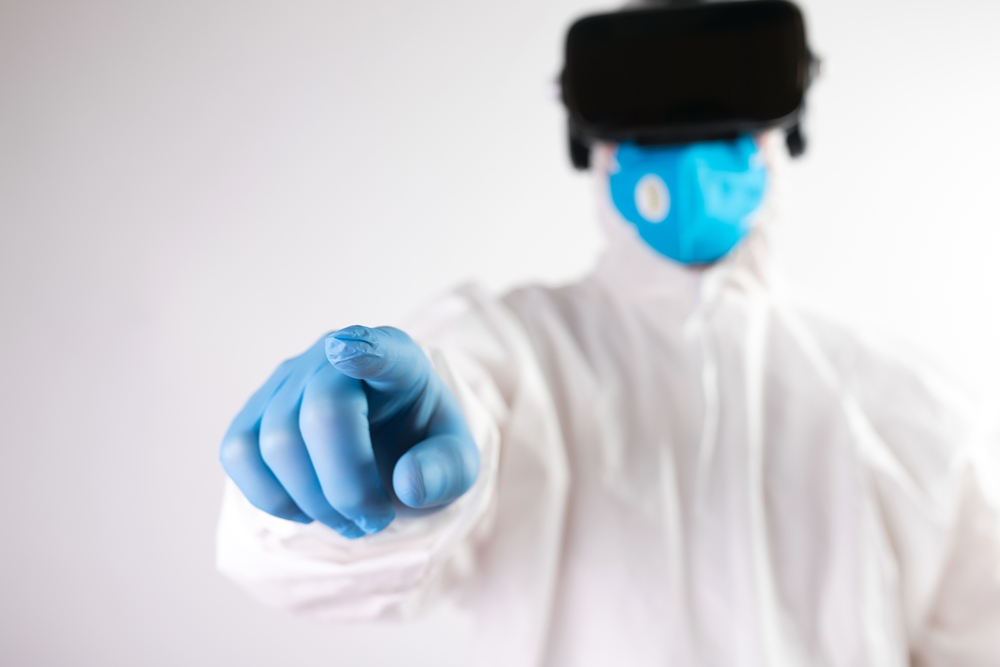
Virtual reality (VR) and immersive technologies are no longer futuristic concepts. They are now part of everyday innovation across the UK and beyond. From NHS-backed pilot schemes that use VR headsets to help surgeons practice complex procedures, to universities adopting immersive platforms for medical education, the technology is proving its worth in healthcare. Clinicians have reported greater confidence when performing surgery after practicing in virtual environments, and patients have benefited from VR-based therapies designed to reduce anxiety before operations or assist with physical rehabilitation.
For instance, many platforms are experimenting with virtual spaces that replicate the atmosphere of real-world venues. Among these, the top non GamStop casinos have started to explore how VR can create highly engaging environments for players seeking immersive gameplay outside traditional regulatory frameworks. In practice, this means a headset can transport a player onto a digital casino floor, where they can walk through virtual rooms, interact with dealers, and play at tables that resemble those found in London or Manchester venues. The experience is designed to combine the social atmosphere of physical spaces with the convenience of online access, showing how VR is reshaping leisure just as it is changing healthcare training.
Healthcare has become one of the most striking examples of what this technology can achieve. Surgeons in the NHS have been able to rehearse intricate operations in virtual environments that mirror the conditions of the operating theatre. A 2016 case at the Royal London Hospital, where a surgeon used VR to prepare for separating conjoined twins, highlighted the potential for better outcomes when teams can practise complex procedures beforehand. More recently, orthopaedic specialists have reported greater confidence and efficiency when supported by virtual training tools. For patients, VR has been tested in areas such as pain management, with studies showing reduced anxiety and improved comfort during treatment.
Beyond hospitals, medical schools across the country are finding ways to incorporate immersive technology into teaching. Students can step inside a digital version of the human body, explore anatomy from new perspectives, and observe procedures that would be difficult to replicate in person. The University of Oxford and Imperial College London are among the institutions experimenting with these approaches, providing the next generation of healthcare professionals with tools that were previously unthinkable. The combination of immersion and accessibility is helping to reshape how medical knowledge is acquired.
The entertainment industry continues to play an important role in driving public awareness of VR. The gaming sector has been quick to adopt new hardware, with titles designed for headsets such as the Oculus Quest and PlayStation VR showing how immersive play can attract large audiences. Film festivals, including London’s Raindance Immersive, have also introduced VR storytelling, where participants explore narratives by stepping inside the scene rather than watching from afar. Live theatre companies have begun testing digital stages that allow audiences to share in performances no matter where they are, reflecting a desire to make culture more accessible.
Other sectors are also benefiting. In education, classrooms have experimented with virtual experiences to bring history and science lessons to life, offering adult learners as well as undergraduates new ways to engage with material. Training environments for emergency services and aviation have used VR to prepare staff for rare but high-stakes scenarios. These examples show that the technology is not limited to any one field but has a wide range of uses across professional and personal life.
Across health, education, and leisure, the growth of immersive technology is pointing towards a future in which digital and physical spaces are more closely connected. For the medical sector, that means more precise training and better support for patients. For entertainment, it creates new forms of engagement that feel immediate and personal. What unites these areas is the sense that this technology is now part of everyday life, offering opportunities that once seemed out of reach.