



Brain tumour scanner trial starts in Aberdeen
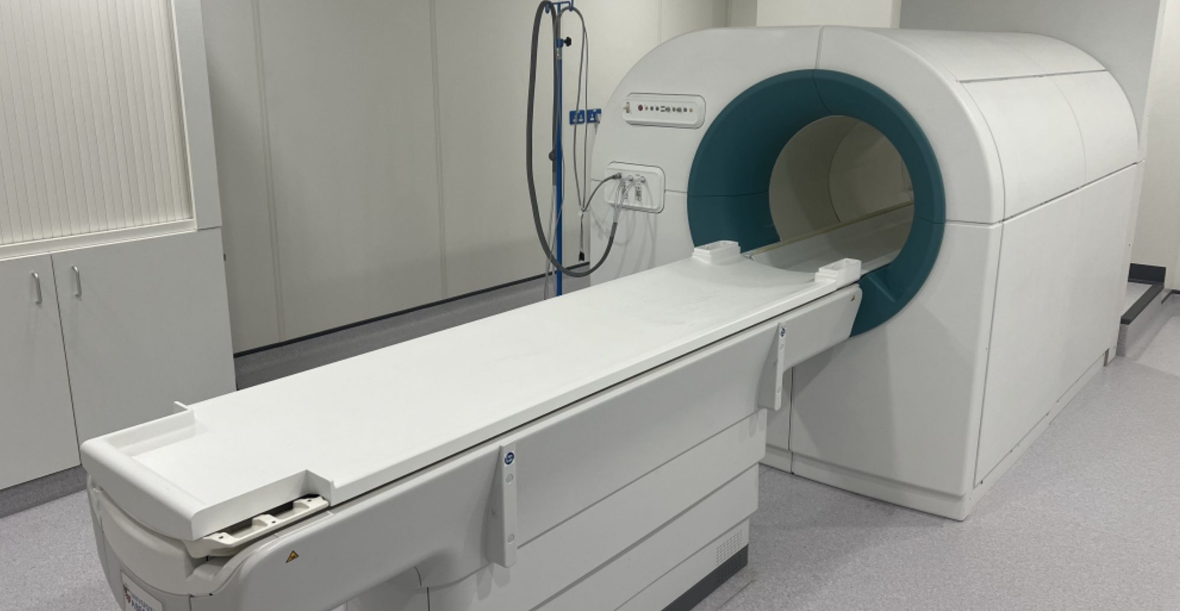
A world-first trial of a new scanner that could track the spread of brain cancer has begun in Aberdeen, involving glioblastoma patients.
The field cycling imaging (FCI) scanner, which derives from MRI technology, operates at low and ultra-low magnetic fields and is being tested at the University of Aberdeen and NHS Grampian. Researchers say it can reveal how diseases affect organs in ways not previously possible.
The trial involves patients with glioblastoma, the most common and aggressive form of brain tumour. It is supported by £350,000 in funding from the Scottish government. More than 3,000 people in the UK are diagnosed with glioblastoma each year, and the study aims to improve treatment and quality of life.

The University of Aberdeen said about half of those diagnosed with glioblastoma die within 15 months, even after extensive surgery, radiotherapy and chemotherapy.
The scanner is the only one of its kind currently being used on patients anywhere in the world. It has already shown effectiveness in detecting tumours in breast tissue and identifying brain damage in stroke patients.
Unlike standard MRI machines, FCI can vary the magnetic field strength during a scan. This means it acts like multiple scanners in one, extracting a broader range of information about tissues. The scanner can also detect tumours without the need for injected dye, which may cause kidney damage or allergic reactions in some patients.
Patients involved in the project will be scanned while undergoing chemotherapy following surgery and chemoradiotherapy. Researchers hope the technology will show that FCI can distinguish between actual tumour growth and “pseudo-progression” – tissue that appears cancerous on conventional scans but is not.
Professor Anne Kiltie, who is leading the trial, said: “If we can detect true tumour progression early, we can swap the patient to a potentially more beneficial type of chemotherapy.
“Also, being able to verify that a patient has pseudo-progression will prevent effective chemotherapy being stopped too early, because it was thought that the tumour has progressed, thus worsening prognosis.
“Providing certainty will also reduce anxiety for both patients and relatives and improve the quality of life of patients.
“Importantly, having a reliable method to identify progressive disease will allow development and more precise evaluation of emerging potential treatments. This is of particular importance as patients currently have a limited choice of treatments for combating their cancer.
“Ultimately, this study and related future work will improve quality, effectiveness and healthcare cost-effectiveness in the treatment of glioblastoma patients across Scotland and beyond.”
The charity Friends of ANCHOR described the technology as “another example of the pioneering work coming out of the University of Aberdeen.”
Full-body MRI scanners were first invented at the university 50 years ago, and it remains a leading centre for medical imaging research.