

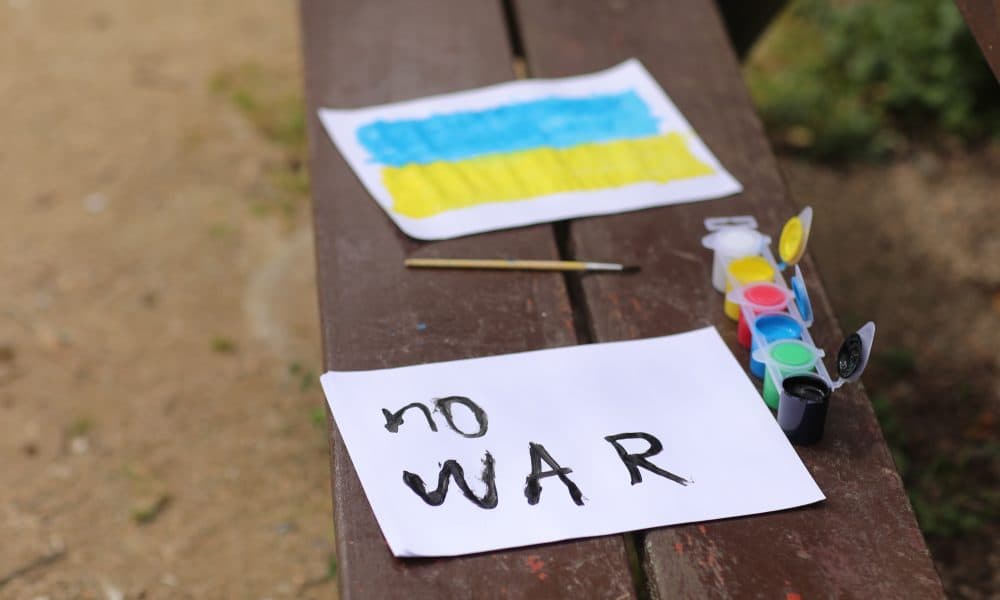
A unique digital game developed by Attensi claims to give troubled young people a way to process their experiences of the war, and help improve their psychological condition. Can a video game really help with war trauma?
Ukrainian children and teenagers who are suffering from war-related trauma are being offered unusual treatment in the form of a video game – which claims to help them deal with things they way they have seen in a war zone.
The game, set up by Attensi, is implementing unique technology to help child youngsters process difficult images, after having their homes destroyed, their schools being attacked, or having been subjected to graphic and difficult scenes concerning their families and friends.
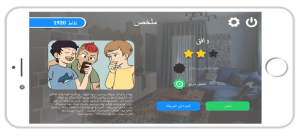
The game previously in action, in Syria
According to UNICEF, a total of three million children are inside Ukraine, with 2.2 million children in refugee-hosting countries. Almost two out of every three children currently “displaced” by fighting.
Large numbers have been made to live in underground bunkers, with families and entire communities rapidly fleeing for safety.
Trauma support through gaming
Helping Hand is a digital role-playing game, similar to the ones the technology company creates for businesses to train their teams around the world.
It takes ‘players’ through a series of life-like scenarios in a computer game-style setting and offers them a range of responses to choose from. It is designed to reinforce positive decision-making and to strengthen children’s resolve to ask for help when they need it.
The gamified simulation training is specifically successful in helping teenage refugees deal with trauma.
Game shows improved wellbeing in Syria
Now focusing its efforts on the Ukraine war, the game has already helped 125 Syrian teenagers in Central Beqaa, Lebanon, who all said that the game made them feel better and helped them make a better sense of their world.
Over a quarter (28%) of the adolescents reported what WHO classifies as ‘normal wellbeing’ before playing the game, while 99% reported normal wellbeing 10 weeks on.
The players averaged 45/100 on the WHO wellbeing index before playing the game. After the game, the figure had risen to 72 – indicating a significant, positive impact on their mental health.
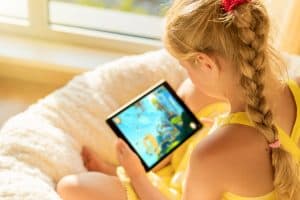
Helping Hand app for war trauma
Clinical psychologist Dr Solfrid Raknes pioneered The Psychological First Aid Kit in Lebanon, where the concept has been running for years.
Now Attensi has powered this concept with its gamified simulation tech, creating the Helping Hand app which has been developed collaboratively alongside partners including the publishing firm Gyldenal, the Norwegian Government and aid agencies.
Bjarne Johnson, CCO Norway and EU at Attensi, was originally moved by the plight of the Syrian children he saw on the TV new and knew that they could help. He initiated the project by reaching out to Dr Solfrid Raknes.
Now after working successfully with aid agencies in Syria, the company is using funding from Innovation Norway to bring the technology to the millions of children affected by the ongoing Ukrainian conflict.
Social aid workers will invite affected children to come and work through the app on portable devices like iPads, or signpost to those with devices that the app freely is available to download.
“Rebuilding Ukrainian lives”
Dr Raknes said: “Over 5 million children have been affected already by the Ukraine conflict, which escalated quickly and turned their world upside down. This technology is designed to help them process what they have experienced, give them courage and rebuild their lives.
“By playing through scenarios in this game they can dare to speak, express their opinions, deal with bad memories and traumatic experiences. Adolescents can learn what it takes to contribute their ideas and take part not just in the game, but in real life.”
Bjarne added: “For these young kids and adolescents, talking about their well-being, how they are feeling, with adults or with strangers, can be quite frightening, so being able to play a computer game on their own, in a safe environment, can have a strong impact.”
- Attensi told Health Tech World that it is looking to secure further funding and Partner with a range of NGOs to distribute the app as widely as possible through further localisation, translations and design updates.
Don’t miss…
Could video games revolutionise neurotherapy?