


Smith+Nephew comparative study shows PICO◊ sNPWT (-80 mmHg) delivers superior performance in relation to wound dehiscence and reduces healthcare costs across cardiovascular and orthopedic surgery versus Prevena -125 mmHg sNPWT
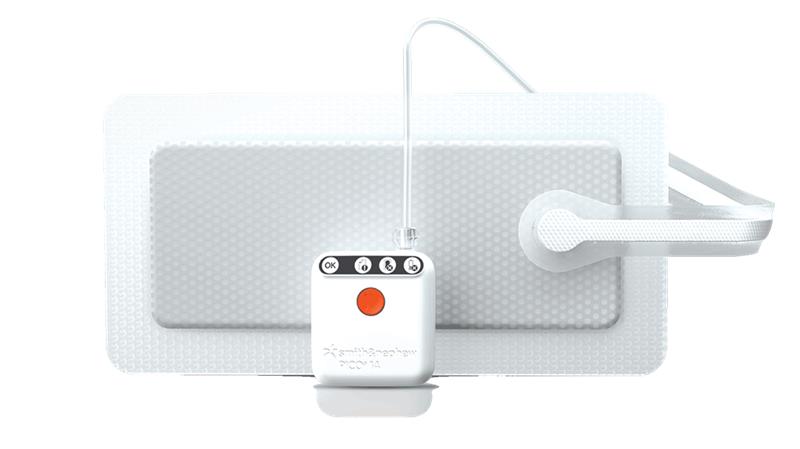
Smith+Nephew (LSE:SN, NYSE:SNN), the global medical technology company, has announced findings from a newly published, first-of-its-kind comparative study of single-use negative pressure wound therapy (sNPWT) devices in orthopedic and cardiovascular surgery.
Analysing real-world data from over 22,000 patients in the Premier PINC AI™ Healthcare Database, the analysis reveals that prophylactic use of PICO sNPWT (-80 mmHg) significantly reduces the risk of wound dehiscence, hospital length of stay (LoS), and overall healthcare costs compared to the PrevenaTM -125 mmHg sNPWT device.
An estimated 313 million surgical procedures are performed worldwide each year, with the number continuing to rise.
In the United States, surgical site infections (SSIs) occur in approximately 2 per cent to 4 per cent of patients undergoing inpatient procedures.
In relation to PrevenaTM sNPWT (-125mmHg), use of PICO sNPWT (-80mmHg) resulted in the following key study findings:
Cardiovascular Surgery (5,000+ patients)
- 57.8 per cent relative reduction in wound dehiscence risk (P<0.01)
- 9.1 per cent relative reduction in LoS (6.33 days vs. 6.86 days) (P<0.0001)
- 10.34 per cent relative reduction in admission-related costs and 13 per cent lower expenditures within three months post-surgery (P<0.0001)
Orthopedic Surgery (17,000+ patients)
- 63.9 per cent relative reduction in wound dehiscence incidence (p<0.05)
- 29.7 per cent relative reduction in LoS (2.43 days vs. 3.10 days) (p<0.0001)
- 21.95 per cent relative reduction in mean index admission cost and a 21% reduction at 30- and 90-day post-surgery (p<0.001)
Substantial cost savings with PICO sNPWT
SSCs are associated with prolonged hospital stays, increased readmissions, and higher mortality risk, particularly in patients with comorbidities such as obesity, diabetes, and hypertension.
This study shows that PICO sNPWT may contribute to reduced surgical site complications for at risk patients and improved health economic outcomes the hospital.
“The differences we are seeing likely relate to the PICO system and its dressing design, as well as the associated mechanisms of action that may contribute to improved clinical outcomes,” says Dr Adam Wright, orthopedic surgeon and study co- author.
“Using PICO sNPWT prophylactically on at-risk patients undergoing orthopedic or cardiovascular surgeries helps reduce SSCs, and consequently, strain on healthcare resources.”
Growing Body of Evidence
These findings complement the growing evidence supporting prophylactic use of incisional negative pressure wound therapy (iNPWT) across surgery.
A recent meta-analysis presented at the International Consensus Meeting 2025 concluded that “the use of iNPWT is recommended to minimise the risk of SSI in adult patients with primarily closed surgical incisions after lower extremity/acetabular fracture surgery and joint arthroplasty of the hip and knee.”
These findings are aligned with the global recommendations including NICE4, WHO5 and the ACS/SIS6 guidelines, all of which recommend the use of iNPWT for the purpose of reducing the risk of SSI for at risk patients.
For more information about these studies, please visit: https://www.possiblewithpico.com/home